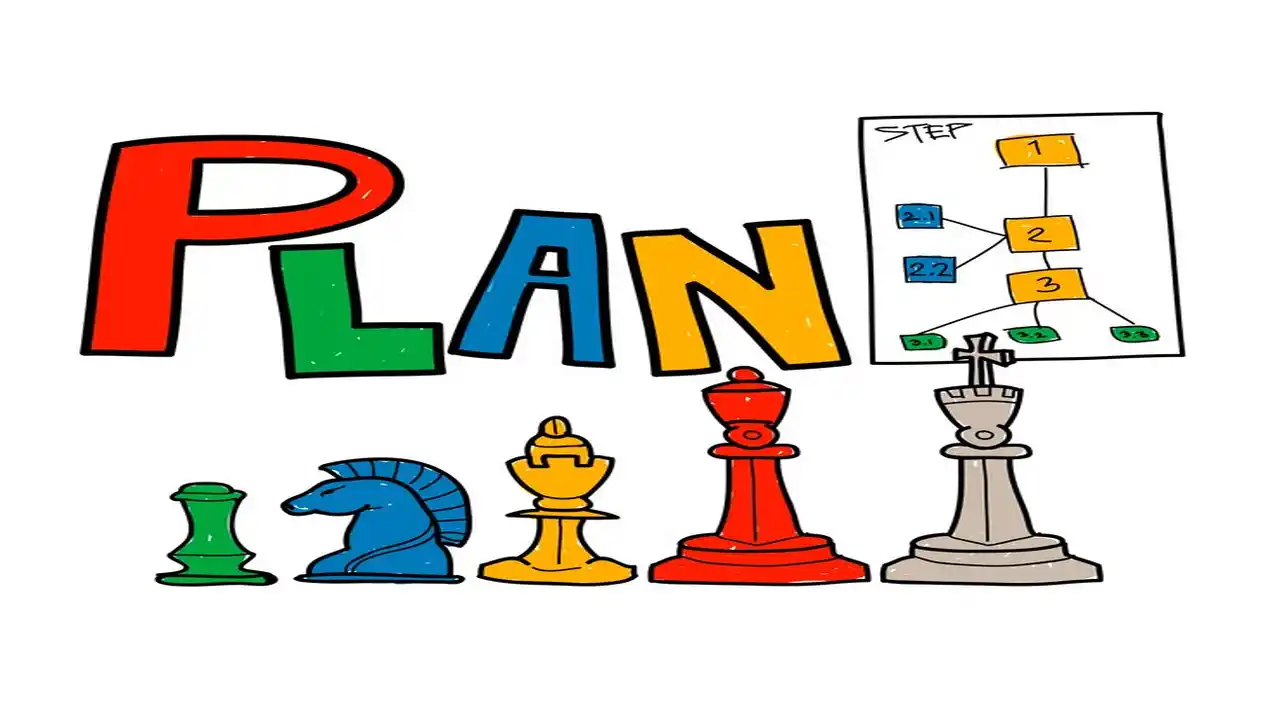
Different sorts of business organizations can classify according to how they were founded, how they operate, and how they were organized. There are several ways to start a business, but the most common are sole proprietorships, partnerships, and corporations. Every sort of corporate organization has both advantages and disadvantages. For example, a small business with only one owner not required to follow many of the same rules as larger businesses. However, the owner of the business is individually liable for any financial risks that may arise while it is in operation. This article will go into features of business organisation in detail and provide some examples for your convenience.
It might discover and operated by one, two, or more individuals. The purpose of these runs is to offer people goods and services in exchange for money. This process also known as formal business formation. The rules that must follow vary depending on location. The rules that must follow vary depending on location. This paper outlines the company’s strategy for achieving its aims. These regulations apply to everything a company does. How a corporation viewed by the law depends on its structure, including its profit status. Federal and state governments fund and regulate various types of commercial organizations. Governments often enact laws to protect investors from being sued by the companies they invest in, as profitable firms contribute to economic growth.
Features of Business Organisation
They establish their businesses in various ways, based on their needs. An organization make up of individuals with varying degrees of responsibility and influence. These workers collaborate to maximize the utilization of the company’s existing resources in order to achieve its objectives. A group or organization is much like a person. Structure, procedures, relationships, performance, leadership, accountability, and the behavior of individuals and groups are among the most common characteristics observed in commercial organizations. Consider reading these features of business organisation to increase your knowledge.
Better Communication
Organization is an important aspect of encouraging people from various parts of the firm to collaborate. When everyone in the company works together, it makes communication easier and more efficient. It will be simple to ensure that all of the employees at that location are aware of any critical instructions or communications.
Behavior of Groups
Constituents are the people who form a group. An organization’s success or failure is intimately related to what its members do, both individually and collectively. Individual group dynamics and structures are the foundations of group dynamics. People form relationships with their supervisor, subordinates, coworkers at the same level, and other members of the group when they work together. Both official and informal organizations use to teach groups proper behavior. Because of how groups work, cooperation has become the most effective technique to establish organizations in the commercial world. Since the turn of the century, teamwork, collaboration, team rewards, and team motivation have grown increasingly crucial in large corporations. Many societies’ founding ideals center upon the concept of family. People behave better in organized groups. When they work together, they accomplish more than the sum of their parts could ever do individually.
Process
The form is suitable for a wide range of operations. At the same time, it resembles a skeletal system, with each component performing a specific function and according to the regulations. A group’s structure, like the body’s, changes throughout time. This technique simulates a manager’s role. This field’s goals encompass a wide range of duties such as establishing systems and personnel for work, developing new technology, designing ways for people to communicate, and ensuring a positive work environment. The company interest in the organizing process, which includes deciding on a course of action, assigning different duties, delegating power and responsibility, coordinating all tasks, and making choices.
It is also a flexible and dynamic procedure that enables management to adapt their operations to the ever-changing external world. The organizational process entails breaking down the work into smaller chunks, assigning each worker a specific task, and then coordinating and integrating all of the actions to achieve the company’s goal with the least amount of effort and resources. Many people believe that organization entails assigning tasks and delegating responsibilities.
Efficient Usage of Resources
The group maximizes resource utilization, boosting efficiency and curbing waste. To reach peak efficiency, they assign tasks matching each individual’s skills and ensure prompt completion. This is good features of business organisation.
Performance
The organization seeks to achieve synergistic benefits through its performance, implying that the whole is greater than the sum of its parts. Human resource development contributes to progress in both the organizational structure and the process. Both of these intended to help the organization achieve its goals and objectives by working smoothly. Many attempts to enhance businesses aim to motivate and inspire employees to achieve their maximum potential. Job enrichment, job enlargement, and job happiness are all components of organizational success. The amount of talent in a corporation is crucial. To some extent, it helps to do the task swiftly. Discipline, command unity, direction-giving, scalar chain decentralization, and effective teamwork all contribute to great organizational performance.
Brings Specialization in Work
One of the most essential reasons for planning is to specialize tasks. This makes people more productive and reduces waste. It is easier to complete tasks when smaller sections of a larger job are assigned to separate people. When people perform the same thing repeatedly, they get quite proficient at it. Because of the impact of this specialization on total efficiency, the company’s bottom line will always improve.
Authority and Responsibility
The structural relationship functions because individuals hold responsibility and power. They authorize to fulfill assigned tasks. Cadre members must understand their rights and duties for effective work. Top management delegates power and responsibility. The CEO decides which tasks to delegate and retain. The organization’s structure relies on clear lines of authority and responsibility. Establishing structured hierarchies based on seniority, title, and status ensures adequate administrative power. This clarity ensures roles and responsibilities well-define, minimizing internal disputes. Personal ties develop when authority and duty hand off together. Organizational leadership evolved from blind obedience to person-to-person principles. Modern organizations emphasize mutual ties between subordinates and leaders. This is the features of business organisation.
Structure
An organization is responsible for assigning jobs and responsibilities to individuals. People are working hard to achieve their goals within the parameters that have been established. In other words, it represents the building blocks of a group. The building has a pompous appearance. Many people work in management and on the shop floor. The system is designed to organize duties and tasks, delegate authority, responsibility, and accountability, and perform other functions. It facilitates management duties by making it easier to locate distinct tasks, organize related operations into groups, and assign tasks to individuals. The organizational framework determines how functions, supervision, and assignments are structured. It establishes formal linkages between employees, defines roles and duties, and guides interactions and activities. The organization values job planning, grouping, distribution, specialization, collaboration, and work division.
Rather, a flexible framework create to ensure that the core structure does not need to be updated as the organization expands and new activities introduce. Setting up an organization based on mechanical rules is not significantly superior than setting one up based on biological rules. It is critical for an organization’s structure to incorporate characteristics such as adaptability, flexibility, problem-solving abilities, and efficiency. It is critical to establish links between different levels or types of organizations so that tasks can complete efficiently and correctly. Getting things in order does not solve anything. That is impossible without individuals and what they do. As you design plans, consider what the people who will use the building will require to complete their tasks and who they are. Buildings are not designed to meet each individual’s special demands; rather, they design to facilitate collaboration.
Easy Acquiring
When you’re structured, it’s easier to make adjustments that reflect what the world needs. The purpose of planning is to make changes in how things are managed simple and quick. The goal is to improve the company’s ability to work and change more swiftly. It also allows us to maintain growth even when situations change.
Relationships
An organization’s job is to assist employees in making specific connections with one another so that everyone may do their duties effectively. When forming partnerships, business needs consider. First, functional links establish to enable the group’s actions. Human resource development and training programs may benefit from established links. When determining the type of organizational link, we consider factors such as process, location, department, and product. We design the relationship to adapt to changing environments throughout its existence. This helps us avoid complacency, inefficiency, and stagnation.
“Organization” refers to any group of people who have committed to work together. We need a clear definition of “person-to-person” relationships. Why? Building positive relationships between employers and employees, as well as between employees and their superiors, is critical for any firm to function well. The group interaction model clearly demonstrates a relationship between degrees of drive and production. The structure demonstrates the various types of relationships as a whole, allowing the group to achieve its primary aim. The hierarchical links between personnel at various levels of the organization help the corporation achieve its overall goals.
FAQ
What are the Common Features to all Organisations?
Always consider your plans and ambitions. Maintain an environment in which the company’s values can flourish and thrive. Make sure you have a dependable system in place, including structures like as departments, teams, and divisions, as well as processes and operating procedures. Incorporate the receipt of items which are then transformed into a final product.
Which is the Best Organizational Type for a Business?
As a result, the organization’s once diversified structure becomes increasingly consolidated. This is how a traditional, hierarchical business operates. The chief executive officer (CEO) often oversees all other departments. This technology might use by any business in any industry.
What is the Main Purpose of Business Organizations?
At its most basic, business organization is simply a group of people working together to achieve a common purpose, such as completing a set of economic chores. The primary purpose of the firm whose actions discuss here is to make money.
Final Remarks
The ways in which decisions make and who holds power in a group vary depending on its size and structure. In some businesses, a small group of owners or leaders may have complete control over decision-making processes. However, there are situations when multiple employees may be able to influence how decisions make. To summarize, the topic of features of business organisation is vital for creating a fair and equitable society. To explore scope of business organisation issue further, read this informative article.